How GST Shifts Wealth to Organized Companies.
Understanding how tax reform drives formalization and boosts mass consumption.
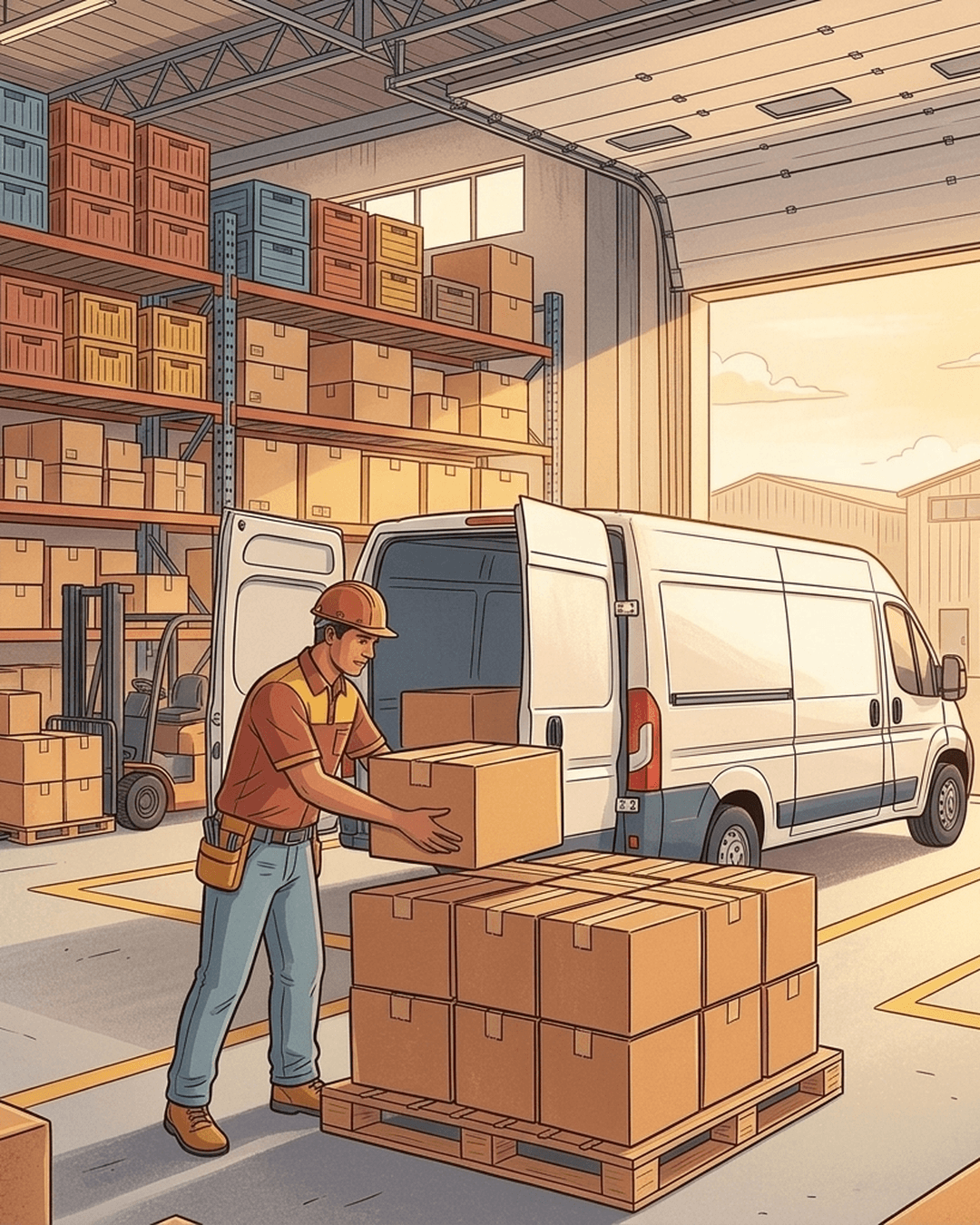
Ramesh watched the engine temp gauge rise as his truck sat in a long queue at the state border checkpost. He had various tax forms in his glovebox, but the officer was still shaking his head. In those days, moving goods across India felt like crossing international borders.
Before GST, buying and selling across state lines was a nightmare of cascading taxes. You paid tax on top of tax, which made goods expensive for the end consumer. GST changed everything by replacing these multiple levies with a single, destination-based tax system.
The real engine of this reform is the Input Tax Credit. To claim tax offsets, businesses must prove their suppliers also paid tax. Suddenly, a registered company cannot buy from an unregistered dealer without losing money. This forces informal businesses to either become tax-compliant or lose customers.
For retail investors, this transition from the informal to the formal economy is where the opportunity lies. Unorganized players are losing their tax-evasion advantage. As they struggle with compliance costs, organized, listed companies are quietly eating their market share.
The story of two chai stalls
Think of two tea stalls. The fancy cafe pays GST, claims tax credits on milk and cups, and sells to corporate offices who demand tax invoices. The roadside tapri operates entirely in cash, bypassing the system. For years, the tapri looked highly profitable. But as corporate clients stop buying non-compliant tea, and suppliers refuse cash, the cafe's organized model turns each rupee into more secure, growing profit. The tapri's margins shrink as it gets squeezed out.
Why this matters
When you invest, look beyond what is visible on your street. You might see busy local unorganized shops, but their margins are being squeezed by compliance costs. The future belongs to organized, listed companies that use GST credit networks to lower their costs and expand. By investing in these tax-compliant market leaders, you position your portfolio to ride the multi-decade wave of India's economic formalization.
Where people go wrong
- Treating GST as an extra tax layerGST did not add a new tax. It actually replaced multiple older cascading taxes and cesses to create a single, cleaner market.
- Assuming local unorganized shops will survive untouchedInformal businesses face a choice: register and pay tax, or remain unregistered and lose customers who want input tax credits.
- Overlooking margin gains in listed playersAs unorganized competitors struggle with compliance, efficient listed companies gain pricing power and market share, boosting their profitability.
GST unified India's market by replacing seventeen indirect taxes and thirteen cesses with one destination-based tax.
Input tax credits force businesses to buy from registered dealers, driving informal players out of the market.
Listed companies gain massive market share as tax compliance squeezes the profit margins of unorganized competitors.
Do not let the busy crowd at your local cash-only shop fool you. Salience bias makes us overvalue what we see, while hiding the quiet, steady erosion of their business margins.