Owner Earnings: The Real Cash You Pocket.
Why reported net profit can lie, and how to find the true cash left in the drawer
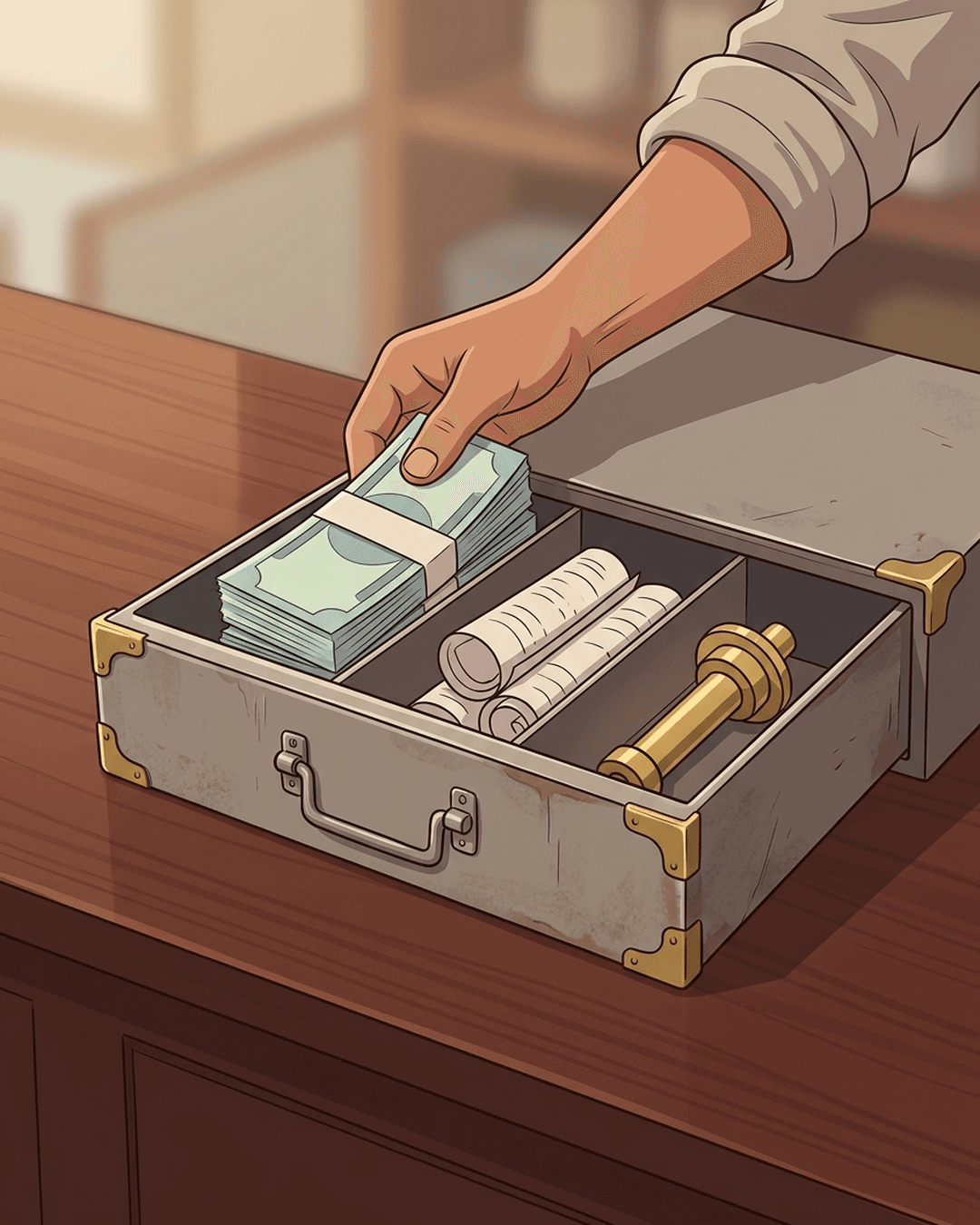
Rahul runs a small textile mill. Last year, his business reported a healthy net profit on paper. Yet, when the month ended, his bank account was dry and he couldn't pay his workers' salaries. What was going wrong?
Net profit is what accountants report, but it's not the cash a business owner can actually take home. To find the real take-home cash, we must adjust net profit for non-cash items and survival costs.
First, we add back depreciation. Since it is just a book entry for assets losing value, no actual cash left the business. Second, we subtract maintenance capex — the essential cash spent just to keep the business running and competitive.
Finally, we subtract changes in working capital. If a business has cash trapped in unsold inventory or unpaid customer bills, that cash isn't available to the owner.
The formula is simple: Net Profit + Depreciation - Maintenance Capex - Change in Working Capital. This reveals the actual cash the owner can pocket without harming the business.
Kirana Store Locker Analogy
Think of owner earnings like the cash you can actually take out of your kirana store's locker at the end of the year. You start with the book profit. Then, you add back depreciation, like the paper loss from your fridge losing value. Next, you subtract maintenance spending, like buying a new fridge to replace the broken one. Finally, you adjust for cash trapped in unsold stock or customer credit.
Why this matters
A company can show huge paper profits but still go bankrupt if cash is trapped in unpaid bills or spent entirely on replacing old machinery. Owner earnings reveals the actual cash available to reward shareholders, helping you avoid 'cash traps'.
Adjust maintenance capex and working capital changes to see how owner earnings change versus reported net profit. Try it now to understand the real cash flow of a business.
Owner Earnings vs Reported Profit
Net profit is ₹100. Add depreciation +₹20, subtract survival costs -₹40 and trapped cash -₹15 to get ₹45 real cash (Gap: 55).
Where people go wrong
- Confusing growth capex with maintenance capexGrowth spending (opening new shops) is optional and builds the future. Maintenance spending (fixing a leaky roof) is mandatory just to survive. Mixing them makes a struggling business look like it's growing.
- Ignoring cash trapped in working capitalIf sales grow but customers don't pay their bills, paper profit rises but actual cash in the bank drops. Ignoring this leads to investing in profitable-looking companies that have no cash.
- Treating depreciation as a permanent cash sourceWe add back depreciation because it's not a cash outflow today. But the asset (like a delivery truck) will eventually break down and need replacing. Adding it back forever assumes machines never age.
Paper profit tells you what accountants think; owner earnings tells you what the owner can actually spend.
Always subtract survival costs (maintenance capex) because running in place still costs money.
Watch out for cash trapped in unsold inventory and customer credit (working capital increase).
Investors chase the neat, single net profit figure because calculating real take-home cash requires doing the dirty work of dissecting the balance sheet.