Auto Cycles and the EV Shift.
How capacity utilization and new engines drive vehicle stock returns
A car dealer stares at a silent showroom. Six months ago, buyers paid premiums just to jump the waiting list, and he could not get enough inventory. Today, the yard is overflowing with unsold vehicles, interest charges are mounting daily, and the phone refuses to ring.
Auto companies do not grow in a straight line. They run on a multi-year cycle of booms and busts. When the economy is strong, interest rates are low, and monsoons are good, people buy vehicles. When interest rates rise or monsoons fail, demand drops quickly.
This cycle is magnified by high fixed costs. Setting up a vehicle factory costs thousands of crores of rupees. If a factory runs at full capacity, profits soar. But if demand dips even slightly and capacity utilization drops, those fixed costs remain, dragging profits down rapidly.
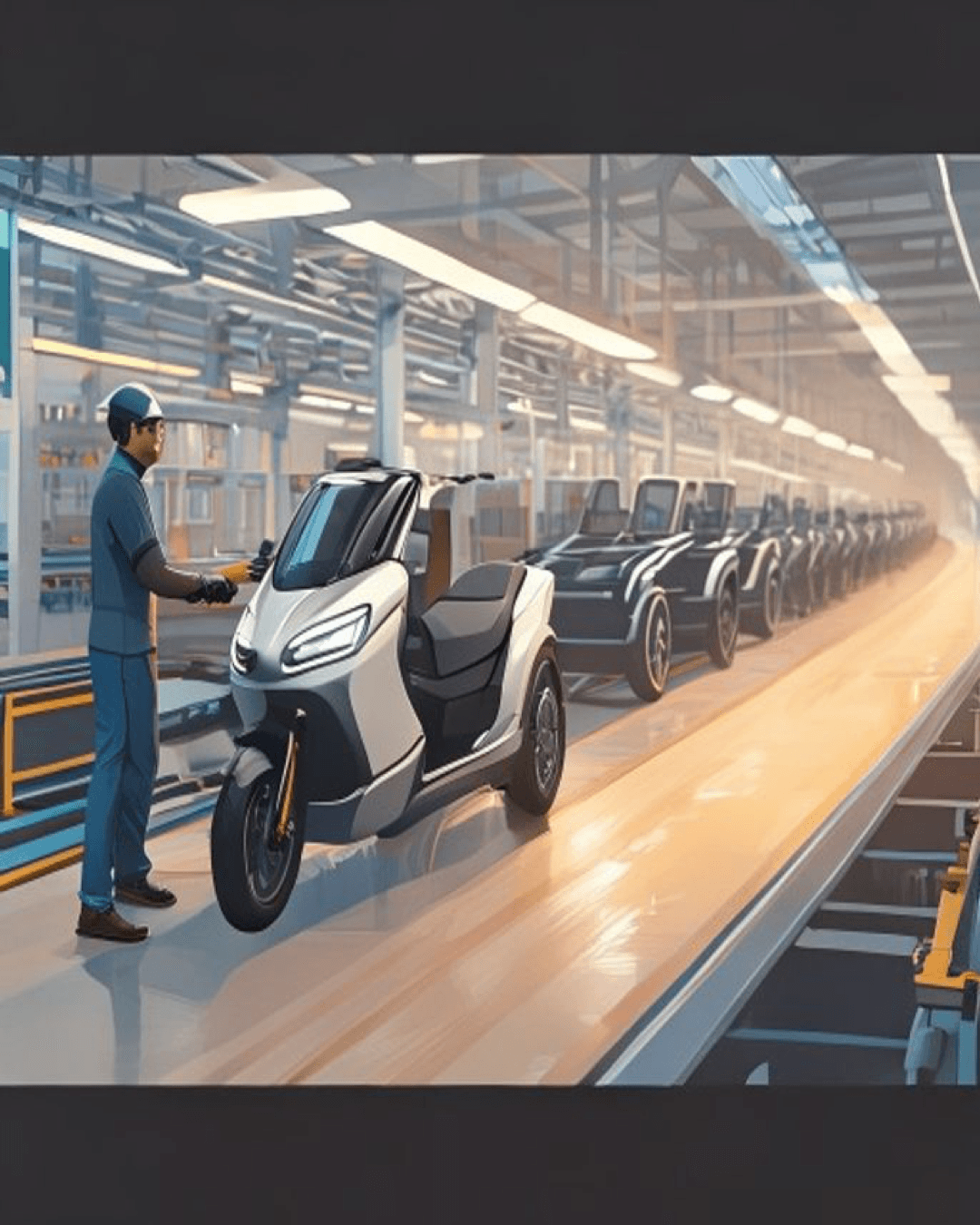
Today, the sector faces a shift: the EV transition. But this shift is uneven. Two-wheelers and three-wheelers are switching rapidly, while passenger cars lag behind. Investors who buy auto stocks at the peak of the cycle, expecting peak earnings to last forever, often get hurt when the downturn arrives.
A tale of two shopkeepers
Think of two shopkeepers. The first runs a small tea stall with low fixed costs; if sales drop, his expenses drop too. The second builds a large, air-conditioned cafe with high rent and heavy loans. In a good year, the cafe owner makes massive profits. But when customers stop coming, the cafe's high fixed overheads remain unchanged, quickly turning profits into deep losses. Auto manufacturers are like the cafe owner, highly vulnerable to sudden shifts in the cycle.
Why this matters
When you buy an auto stock based on its recent high profits, you might be buying at the worst possible time. Cyclical peaks make these companies look cheap because their current earnings are temporarily inflated. If you do not watch the interest rates or the demand cycle, you risk locking your hard-earned money in a business just as its profits are about to drop. Always invest with a margin of safety.
Where people go wrong
- Buying auto stocks at peak earningsRecent high growth is rarely sustainable because cyclical peaks are inevitably followed by sharp downturns.
- Extrapolating electric vehicle growth linearlyCharging infrastructure bottlenecks and high initial costs can slow down adoption, especially in the four-wheeler segment.
- Ignoring the power of operating leverageA small drop in factory capacity utilization can wipe out a company's profits due to high fixed costs.
Auto sales follow a regular boom-and-bust cycle averaging about 5.2 years from trough to trough.
High fixed costs magnify profits during booms but cause severe pain when factory capacity utilization drops.
The EV transition is uneven, with two-wheelers adopting much faster than the passenger car segment.
Recency bias makes us believe that a company earning record profits today will keep doing so forever. In cyclical sectors, the best-looking balance sheet is often closest to the edge.