The battle for India's car market.
How Maruti Suzuki is fighting to protect its crown
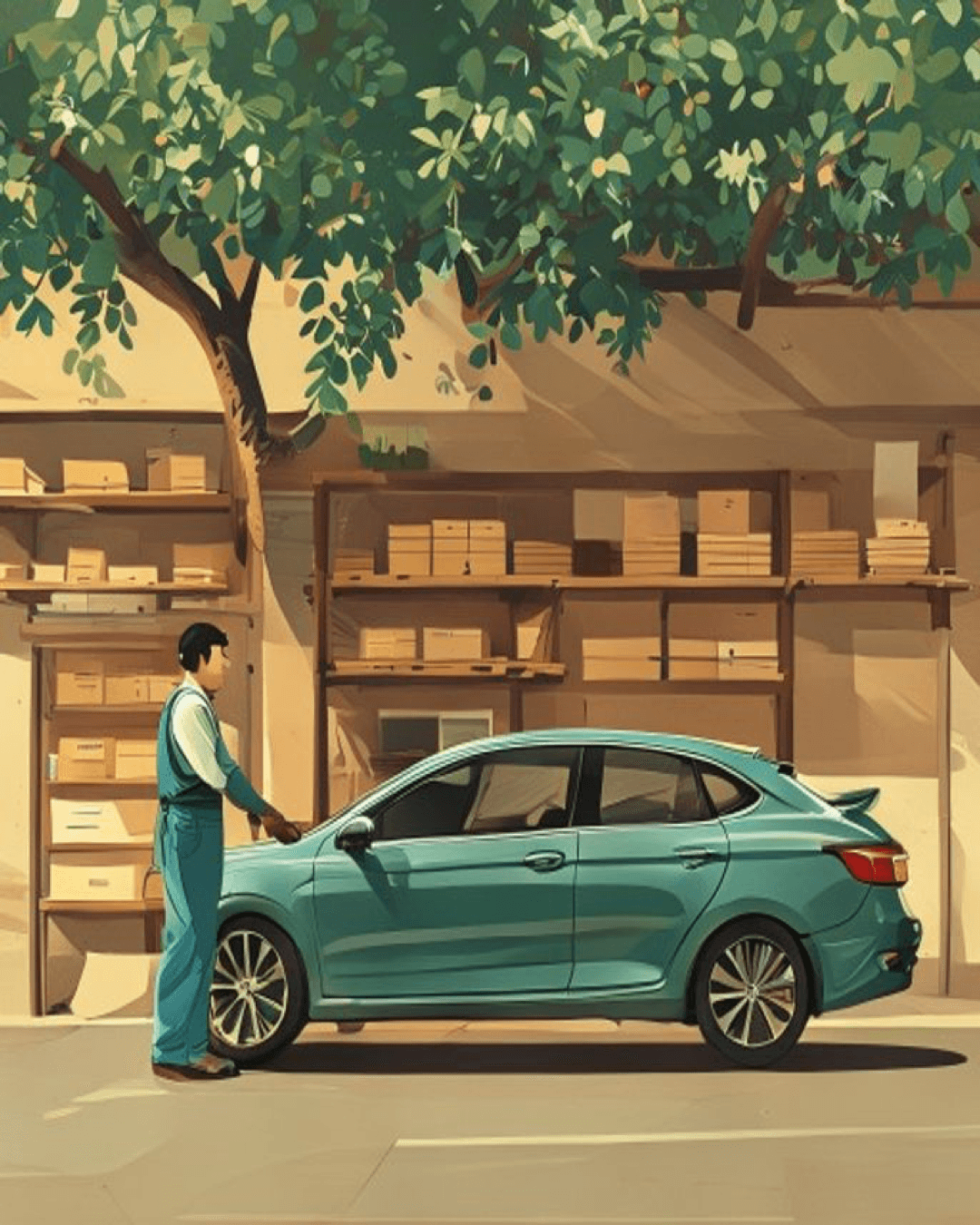
For decades, buying a family car in India meant walking into a Maruti showroom. You bought a small, sensible hatchback because it fit your budget and your narrow garage. But today, the middle-class dream looks different. Families want taller, wider, and bolder cars, leaving the old budget kings behind.
Maruti Suzuki built its kingdom on budget hatchbacks. They gave millions of Indians their first taste of mobility. But as household incomes grew, people stopped buying basic hatchbacks. They started buying SUVs, which carry much higher profit margins. Suddenly, the king faced a new battle.
To defend its turf, Maruti had to pivot quickly. They launched new, premium SUVs to capture these high-margin buyers. Instead of rushing headlong into expensive battery electric vehicles, they chose a different path: focusing heavily on strong hybrid cars, which combine petrol engines with electric power.
As an investor, you must watch this transition. A carmaker's fortune depends on how well it predicts what fuel technology and car designs the public will buy next. If they misjudge the consumer, their factories run idle, and margins collapse.
The local phone repair test
Imagine buying a rare, imported smartphone. It looks beautiful, but if the screen cracks, you must mail it to a metro city and wait weeks for parts. Now compare that to a popular budget phone that every local corner shop can repair in thirty minutes because spare parts are everywhere. That is Maruti's real moat. Any new competitor can design a stylish car, but Maruti has spent forty years ensuring that even a roadside mechanic in a remote village has the exact spare parts and training to fix their vehicles. That massive network is a wall competitors cannot easily climb.
Why this matters
When you buy a stock, you are buying a piece of a real business, not a lottery ticket. Maruti is a prime example of a legacy giant forced to adapt. If you own their shares, your returns depend on whether their new SUVs and hybrid cars can win over modern buyers. Never assume yesterday's champion will automatically win tomorrow's races without fighting hard.
Where people go wrong
- Assuming past hatchback dominance guarantees SUV successHatchbacks and SUVs have different buyers and competitors. Success in one does not automatically carry over to the other.
- Ignoring how government policies affect hybrid carsTax rates and regulations can instantly shrink or expand profit margins on hybrid vehicles, affecting your returns.
- Believing electric vehicles will instantly take overIn India, building charging infrastructure takes years. Petrol and hybrids will likely remain dominant for a long time.
The giant's service network of over 3,500 outlets remains its strongest defense.
Indian buyers are moving away from hatchbacks and demanding premium SUVs.
Tax rates on petrol, hybrid, and electric cars will dictate future profits.
We naturally trust brands that we see every day on the road, assuming their future is as secure as their past. But in business, yesterday's victories do not pay for tomorrow's upkeep.